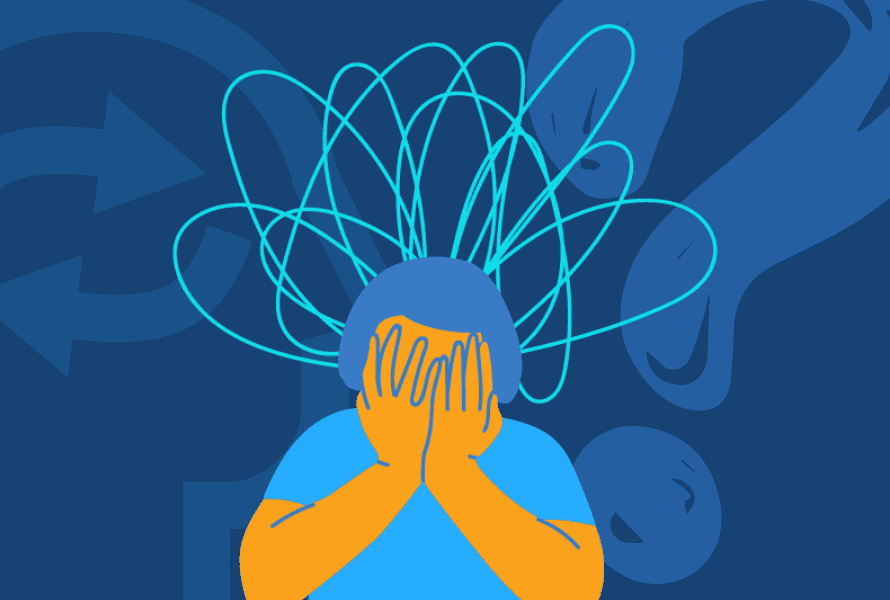
If you’ve ever wondered why medications like Zoloft (sertraline), Lexapro (escitalopram), Prozac (fluoxetine), Cymbalta (duloxetine), or Effexor (venlafaxine) are prescribed for depression or anxiety, it all comes down to tiny chemical messengers in your brain called neurotransmitters.
Neurotransmitters are brain chemicals that help regulate your mood, emotions, energy, sleep, memory, motivation, and how you respond to stress. When neurotransmitters become unbalanced, it can significantly affect and cause mental health symptoms. Fortunately, many effective treatments can help restore healthier brain function, nonpharmacologic or pharmacological, including therapy, healthy lifestyle changes, and medications.
What Are Neurotransmitters?
Think of your brain as a city with billions of nerve cells (neurons) constantly communicating with one another. Our brain sends messages by using neurotransmitters as chemical messengers. When one nerve cell (neuron) wants to communicate with another, it releases neurotransmitters into the tiny space between the cells, called the synapse. These neurotransmitters travel across the synapse and attach to specialized receptors on the neighboring neuron, much like a key fitting into a lock. Once they bind to these receptors, the receiving neuron recognizes the message and passes the signal along to the next cell. This communication process happens continuously throughout the brain, allowing it to regulate your thoughts, emotions, memory, movement, sleep, and many other essential functions.
This process happens millions of times every second and controls nearly everything you think, feel, and do. When neurotransmitters are functioning normally, communication between brain cells is efficient. When these chemical messengers become dysregulated, communication can become less effective, contributing to symptoms of Depression, Anxiety, PTSD, ADHD, and other mental health conditions.
Major Neurotransmitters and What They Do
Serotonin is often called the “mood stabilizer” because it helps regulate mood, anxiety, sleep, appetite, digestion, memory, and emotional well-being.
Norepinephrine is responsible for alertness, attention, motivation, energy, and the body’s response to stress. It helps you stay focused and mentally prepared to respond to challenges.
When norepinephrine activity is reduced, people may experience fatigue, low motivation, difficulty concentrating, and symptoms of depression.
On the other hand, excessive norepinephrine activity may contribute to feelings of nervousness, anxiety, racing thoughts, and panic symptoms.
Dopamine is known as the brain’s reward and motivation chemical. It helps regulate motivation, pleasure, learning, movement, attention, and decision-making. Healthy dopamine activity allows us to experience enjoyment, pursue goals, and remain motivated.
When dopamine activity becomes excessive in certain areas of the brain, it can contribute to symptoms such as agitation, restlessness, impulsive or risky behavior, difficulty distinguishing reality from perception, paranoia, hallucinations (seeing or hearing things that are not there), and delusions (strongly held false beliefs). On the other hand, reduced dopamine activity may contribute to low motivation, fatigue, poor concentration, and a decreased ability to experience pleasure.
Gamma-aminobutyric acid (GABA) is the brain’s primary calming neurotransmitter. It helps slow down excessive brain activity and promotes relaxation, emotional stability, and restful sleep. When GABA activity is reduced, individuals may experience increased anxiety, panic attacks, difficulty relaxing, restlessness, and insomnia.
Glutamate is the brain’s primary excitatory neurotransmitter and plays a critical role in learning, memory, and communication between brain cells. While glutamate is essential for normal brain function, excessive glutamate activity may overstimulate brain cells and has been linked to stress-related conditions, depression, and PTSD.
What Happens When Neurotransmitters Become Dysregulated?
The different neurotransmitters in the brain work together much like members of an orchestra. When each neurotransmitter is functioning properly, the brain is able to communicate efficiently and maintain emotional balance. However, if one or more neurotransmitter systems become dysregulated, communication between brain cells can become less efficient, contributing to emotional and physical symptoms. Rather than thinking of mental illness as being caused by a simple “chemical imbalance,” experts now understand that mental health conditions develop from a combination of neurotransmitter signaling, genetics, chronic stress, trauma, hormones, inflammation, physical health, and environmental factors.
Depending on which neurotransmitter systems are affected, people may notice symptoms such as persistent sadness, anxiety, irritability, fatigue, low motivation, poor concentration, difficulty making decisions, loss of interest in activities they once enjoyed, changes in sleep or appetite, panic attacks, racing thoughts, emotional numbness, or feeling constantly overwhelmed. It is important to remember that these symptoms do not necessarily mean a specific neurotransmitter is “too low” or “too high.” Mental health conditions are much more complex, and no single neurotransmitter is responsible for a diagnosis.
How Neurotransmitters Affect Mental Health
Neurotransmitters play an important role in many mental health conditions because they influence the brain’s ability to regulate emotions, thoughts, behavior, and stress responses.
In depression, changes in serotonin, norepinephrine, dopamine, and glutamate signaling may contribute to symptoms such as persistent sadness, fatigue, low motivation, loss of interest in activities, poor concentration, changes in sleep, and difficulty experiencing pleasure.
In anxiety disorders, neurotransmitters such as serotonin, norepinephrine, and GABA help regulate the brain’s fear and stress response. When these systems become dysregulated, the brain may remain in a heightened state of alertness, leading to excessive worry, racing thoughts, muscle tension, restlessness, difficulty sleeping, or panic attacks.
For individuals living with post-traumatic stress disorder (PTSD) or trauma-related conditions, traumatic experiences can significantly affect the brain’s communication networks. PTSD is associated with changes in neurotransmitters involved in fear processing, memory, emotional regulation, and the body’s stress response. As a result, individuals may experience flashbacks, nightmares, hypervigilance, emotional numbness, irritability, sleep disturbances, or feeling constantly “on guard.” Modern research suggests that PTSD involves complex changes in multiple brain circuits and neurotransmitter systems rather than a single chemical abnormality.
How SSRIs and SNRIs Help
Selective Serotonin Reuptake Inhibitors (SSRIs) are among the most commonly prescribed medications for depression and anxiety. Examples include sertraline (Zoloft®), escitalopram (Lexapro®), fluoxetine (Prozac®), paroxetine (Paxil®), and citalopram (Celexa®). SSRIs work by blocking the reabsorption, or reuptake, of serotonin after it has been released into the synapse. This allows more serotonin to remain available between neurons, improving communication within brain networks involved in mood, anxiety, and emotional regulation. It is important to know that SSRIs do not create serotonin or simply “correct a chemical imbalance.” Instead, they gradually help the brain adapt and strengthen communication pathways over several weeks, which is why patients often do not notice improvement immediately.
Serotonin-Norepinephrine Reuptake Inhibitors (SNRIs) work similarly but affect two neurotransmitters instead of one. Medications in this class include duloxetine (Cymbalta®), venlafaxine (Effexor®), desvenlafaxine (Pristiq®), and levomilnacipran (Fetzima®). By increasing the availability of both serotonin and norepinephrine, SNRIs may help improve mood, reduce anxiety, increase energy, enhance concentration, and improve motivation. Some SNRIs are also used to treat certain chronic pain conditions because norepinephrine plays an important role in how the brain processes pain signals.
Although medications can be highly effective, they often work best when combined with therapy, healthy sleep habits, regular physical activity, balanced nutrition, stress management techniques, and strong social support. Together, these approaches help improve both brain function and the skills needed to manage life’s challenges.
Conclusion
Neurotransmitters are the brain’s chemical messengers, allowing billions of nerve cells to communicate with one another every second. They influence nearly every aspect of our mental and physical well-being, including mood, emotions, sleep, motivation, concentration, memory, and how we respond to stress. When these communication systems become dysregulated, symptoms of depression, anxiety, PTSD, and other mental health conditions may develop. However, mental health is much more complex than a simple “chemical imbalance.” It involves an interaction between brain chemistry, genetics, life experiences, physical health, and environmental factors.
The encouraging news is that effective treatments are available. Medications such as SSRIs and SNRIs can improve communication between brain cells, while therapy and healthy lifestyle habits provide additional tools to support recovery. If you are experiencing persistent symptoms that are affecting your daily life, know that help is available. Working with a qualified mental health professional can help you better understand your symptoms and develop a treatment plan tailored to your individual needs.